Edible Packaging Solutions Explained: A Complete Guide to the Future of Sustainable Food
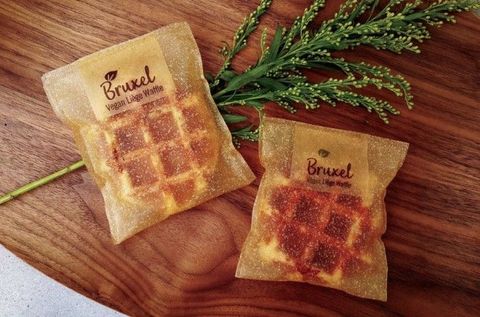
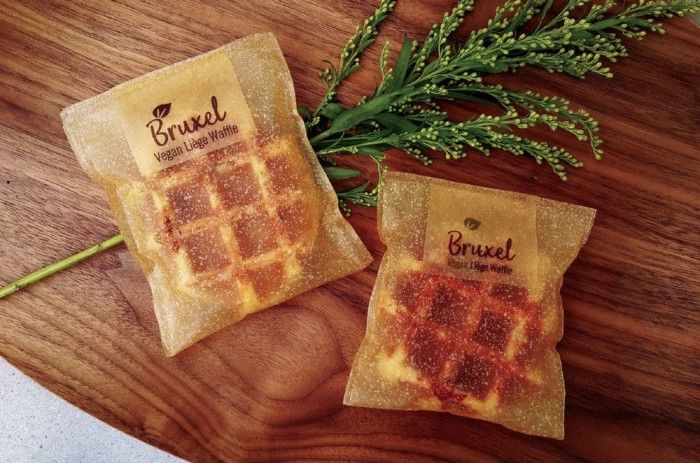
Edible packaging refers to packaging materials designed to be either consumed safely with the food or to biodegrade rapidly without harm to the environment. Made from food-grade ingredients—such as seaweed, starches, proteins, even millet—these materials aim to replace single-use plastics that pollute landfills and oceans.
This concept exists because traditional plastic packaging is a major contributor to environmental pollution. Plastics can take centuries to decompose, whereas edible films often break down immediately—or are eaten—with minimal waste and impact. The rise of edible packaging is a response to growing environmental concerns and the need for more sustainable food systems.
Why edible packaging matters today, who it affects, and what problems it solves
Edible packaging matters because it tackles several pressing issues:
-
Environmental waste: It reduces reliance on plastics and decreases long-lasting pollution.
-
Food waste: Certain edible coatings, such as those made from seaweed, can preserve freshness by preventing moisture loss and contamination.
-
Consumer and industry impact: It benefits food producers seeking sustainable solutions, consumers who want eco-friendly options, and regulators aiming to reduce packaging waste.
-
Innovative applications: Beyond food, edible packaging can be flavored, fortified with nutrients, or adapted for pharmaceutical uses.
Recent updates and trends in the past year
-
As of March 2025, edible packaging innovations such as seaweed-based films are gaining recognition for their ability to cut waste while preserving food.
-
Global market size in 2024 was estimated at around USD 1.1 billion, with projections to reach USD 1.5 billion by 2029, showing a growth rate of about 5.6% annually.
-
Another forecast suggests edible packaging solutions may grow from USD 3.9 billion in 2024 to USD 7.5 billion by 2034, with growth driven by rising eco-conscious consumer demand.
-
In 2025, researchers in India developed millet-based edible cups using natural binders and hibiscus powder, highlighting innovation in biodegradable alternatives.
-
Emerging technologies such as edible microlasers are being explored to monitor food quality by detecting bacteria, sugar levels, and freshness—all safe for consumption.
-
Smart edible packaging with integrated sensors is being tested to extend the shelf life of perishable foods such as fish, helping reduce waste by up to two weeks.
-
Scientists are also creating composite edible films by combining plant extracts, essential oils, and nanotechnology to improve durability, safety, and shelf-life performance.
Laws, policies, and regulatory context in India
India – Food Safety and Standards Authority of India (FSSAI)
Food packaging in India is regulated by the Food Safety and Standards Authority of India (FSSAI), which operates under the Food Safety and Standards Act, 2006.
Key regulations include:
-
Packaging and Labelling Regulations (2011) and Labelling and Display Regulations (2020), which require the use of food-grade materials, prohibit recycled plastics and newsprint in direct food contact, and mandate tamper-evident packaging.
-
2025 updates include:
-
Stronger front-of-pack labelling to highlight nutritional content.
-
Approval for food-grade recycled PET (rPET) with strict safety testing, and a mandate that PET bottles contain at least 30% recycled content.
-
Requirements for clear expiry dates, restrictions on vague claims such as “100% natural,” and tighter standards for e-commerce food packaging.
-
Similar regulatory frameworks exist globally, with most countries focusing on migration limits, safety of food-contact materials, and compliance with food-grade testing standards.
Tools and resources for edible packaging
Websites, reports, and research tools
-
Market reports provide data on edible packaging growth, size, and segmentation.
-
Research reviews highlight advances in edible coatings, nanotechnology applications, and sustainability testing.
-
Innovation case studies showcase examples such as millet-based cups, edible straws, and seaweed wraps.
-
Regulatory guidance documents explain compliance requirements for food packaging under FSSAI and international standards.
Other helpful tools
-
Regulatory checklists to ensure packaging meets legal requirements.
-
Food safety calculators for migration and toxicity testing.
-
Templates for packaging compliance processes and material sourcing.
-
Academic databases for updated edible packaging research.
Frequently Asked Questions
What materials are used in edible packaging?
Edible packaging is often made from seaweed, rice starch, potato starch, plant proteins, polysaccharides, lipids, and even innovative grains such as millet.
Is edible packaging safe and regulated?
Yes. As food-grade materials, edible packaging must comply with safety regulations that test for non-toxicity, migration levels, and stability in contact with food.
Can edible packaging extend shelf life?
Yes. Edible coatings such as seaweed films can protect food from moisture loss and contamination, while advanced smart versions can release preservatives or monitor freshness.
What are the main challenges?
Scaling up production, affordability, durability of films, and consumer acceptance remain key challenges. Ensuring reliable supply of raw materials like seaweed is another limitation.
How fast is the edible packaging market growing?
The market is expected to grow steadily at around 5–6% annually, reaching several billion dollars in value by the early 2030s, driven by demand for sustainable packaging.
Final thoughts
Edible packaging presents a creative and practical step forward in tackling both plastic pollution and food waste. Innovations such as millet cups, seaweed wraps, and smart edible films highlight how science and sustainability are converging.
With supportive regulatory frameworks, growing consumer interest, and continuous research, edible packaging is poised to become a valuable part of the future of food packaging. While challenges of cost and scalability remain, the potential environmental and economic benefits make it a field worth watching closely.