Electrical Circuit Protection Guide: Tips, Insights, and Helpful Resources
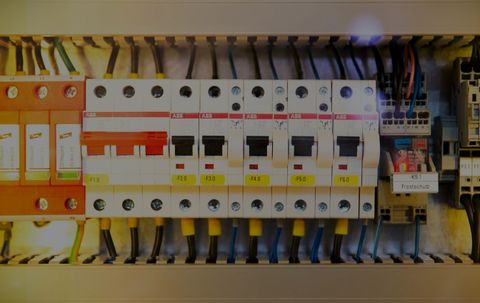
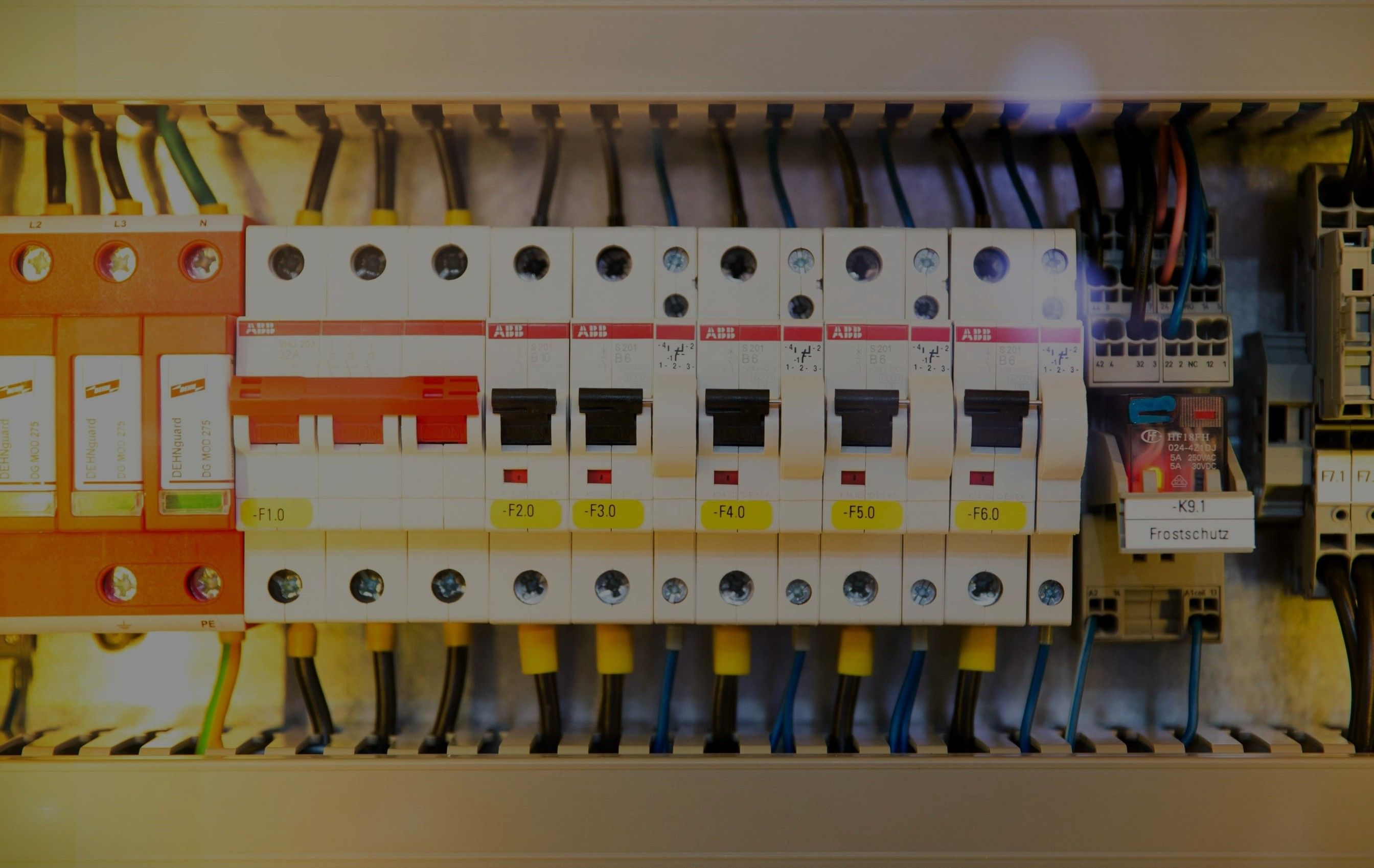
Electrical circuit protection refers to devices and methods that guard electrical systems from overloads, short circuits, and faults. These protections—like fuses, circuit breakers, ground fault circuit interrupters (GFCIs), and surge protectors—are designed to detect hazardous conditions and shut off current before damage occurs. They exist because electricity can cause fires, equipment failure, or personal injury if unregulated.
Electrical systems deliver power safely, and protection ensures reliability and safety for homes, businesses, and industries.
Importance
Circuit protection matters because electrical failures can lead to serious consequences: electrical fires, equipment damage, data loss, and even life-threatening shocks.
This topic affects:
-
Homeowners protecting family and property
-
Electricians and contractors ensuring safe installations
-
Facility managers relying on uptime and compliance
-
Equipment manufacturers designing circuits for safety
Problems it solves:
-
Prevents overheating and fire risks
-
Stops dangerous fault currents quickly
-
Maintains power quality and stability
-
Ensures electrical systems meet safety codes
Proper protection gives peace of mind, safeguards lives and property, and avoids costly damage.
Recent Updates
In the past year (August 2024–August 2025), a few notable trends and updates have emerged:
-
Arc-Fault Circuit Interrupter (AFCI) standards expanded: New electrical code revisions in several countries extended mandatory AFCI use in living spaces beyond bedrooms and kitchens, aiming to reduce arc-fault fires.
-
Smart breaker integration: There’s growing adoption of smart circuit breakers with digital trip notifications, energy monitoring, and remote reset features—especially in newer residential and commercial panels.
-
Surge protection improvements: Enhanced Type 2 surge protective devices (SPDs) have become more affordable and compact, expanding their use downstream of service panels.
-
Energy-efficiency integration: Modern protection devices now often include data-logging and energy-efficiency metrics to support demand response programs and sustainable building initiatives.
These shifts reflect a move toward smarter, safer, and more efficient electrical protection.
Laws or Policies
Electrical protection is governed by codes, standards, and programs. Depending on location, these can include:
National and regional electrical codes
-
In the United States, the National Electrical Code (NEC) mandates use of GFCIs in wet areas, AFCIs in living spaces, and surge protection in certain installations.
-
In India, the National Building Code (NBC) and Indian Electricity Rules (IER) require earthing, circuit protection, and limits on wiring and breaker capacities.
-
In the European Union, IEC standards and national regulations commonly require RCDs (residual current devices), overcurrent protection, and safety labeling.
Government and safety programs
-
Many safety agencies (e.g. Electrical Safety Foundation International in the U.S.) promote awareness campaigns, training, and rebates for upgrading to GFCIs and AFCIs.
-
Electricity distribution companies may offer incentives or subsidies for installing smart breakers or surge protection devices—especially in industrial or high-risk installations.
Regulations ensure installation safety, prevent hazards, and sometimes offer financial support to encourage upgrades.
Tools and Resources
Here are tools and resources you may find helpful for understanding, selecting, and implementing circuit protection:
-
NEC Code Check Mobile App – digital reference for NEC requirements (U.S.-focused)
-
IEC Online Browsing Platform – access to international electrotechnical standards
-
Circuit protection sizing calculators – web tools that compute appropriate fuse or breaker ratings based on load, wire size, and installation conditions
-
Manufacturer spec libraries – online datasheets and selection guides for breaker types, SPDs, GFCIs, etc.
-
Energy-monitoring platforms – dashboards that integrate smart breaker data with building management systems
-
Free electrical safety guides – PDFs and interactive materials from safety bodies (e.g. ESFI, NFPA) covering GFCI/AFCI installation
-
Templates and checklists – downloadable inspection checklists for circuit protection compliance during installs
These resources help professionals and DIYers ensure safe, code-compliant, and effective circuit protection.
Frequently Asked Questions
What’s the difference between a fuse and a circuit breaker?
A fuse contains a metal strip that melts under overload, interrupting the circuit. It’s simple but must be replaced after tripping. A circuit breaker uses a switch mechanism to open when overloaded or short-circuited—then it can be reset. Breakers are reusable and more flexible for resetting circuits.
Do I need a GFCI in my bathroom or kitchen?
Yes. Most electrical codes (e.g., NEC, many national standards) require Ground Fault Circuit Interrupters (GFCIs) in areas with water—like bathrooms, kitchens, garages, and outdoors—because they protect against electric shock by detecting ground faults.
What is an AFCI and where is it needed?
An Arc-Fault Circuit Interrupter (AFCI) detects arcing faults—sparks in conductors that can ignite fires. Modern codes require AFCIs in bedrooms, living rooms, and other general use areas of homes to enhance fire safety.
Are smart circuit breakers worth installing?
Smart breakers offer added benefits like remote monitoring, load tracking, and alerts for trips. They’re valuable for modern smart homes and facilities. They don’t replace the need for GFCIs/AFCIs, but complement protection with situational awareness.
Can I install surge protection myself?
Basic surge strip protectors are user-friendly and safe to plug into outlets. However, installing a whole-panel surge protective device (SPD) should be done by a qualified electrician—it involves working inside breaker panels and must meet code.
Common Circuit Protection Devices
| Device Type | Function | Typical Application |
|---|---|---|
| Fuse | Melts when overloaded | Older homes, simple appliances |
| Circuit Breaker | Opens circuit on overload/short | Service panels in all buildings |
| GFCI (RCD) | Detects ground faults; trips quickly | Wet areas (bathrooms, kitchens, etc.) |
| AFCI | Detects dangerous arcing | Bedrooms, living spaces (modern codes) |
| Surge Protective Device | Absorbs voltage spikes | Sensitive electronics, across panels |
| Smart Breaker | Monitors current; remote reset | Smart homes, commercial systems |
Conclusion
Electrical circuit protection is foundational for safety, reliability, and regulatory compliance. From traditional fuses and breakers to advanced GFCI, AFCI, SPD, and smart devices, protection systems safeguard lives and property.
With recent enhancements—like expanded AFCI requirements and smarter breakers—it's more important than ever to stay informed. Laws and building codes guide minimum protection standards, and free tools, calculators, apps, and guides are available to help you choose and install the right protective measures.
By understanding how and why circuit protection works, staying current on codes and technologies, and using proper resources, you can ensure safe, long-lasting electrical systems for your home or facility.