Elevate Your Home: A Guide to Dining Room Furniture
Dining room furniture refers to the tables, chairs, storage, and accessories designed for eating and social interaction at home. Historically, the dining room emerged as a designated space for meals and gatherings—driven by social customs, household size, and architectural trends. Furniture such as dining tables and chairs serve multiple purposes: they define the space, support ergonomic needs, and create an atmosphere for family meals or entertaining. This topic exists because functional, comfortable, and aesthetically pleasing furniture helps coordinate daily living and social traditions.
Importance – Why understanding dining room furniture matters today, who benefits, and what issues it addresses
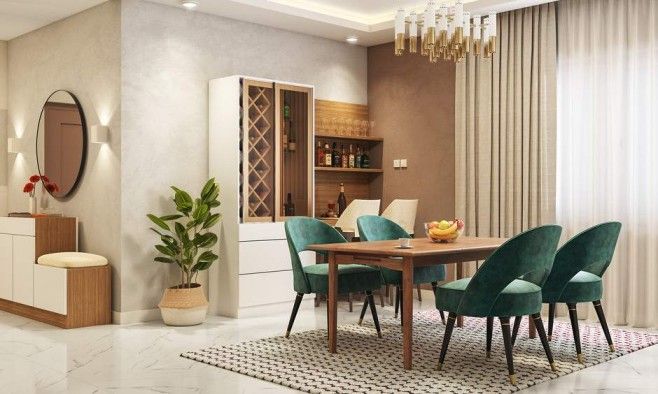
Today, many people live in multi-functional homes where space is at a premium. Knowing how to select and arrange dining room furniture matters for:
-
Homeowners and renters who want efficient use of space and comfortable dining experiences
-
Interior designers and decorators seeking balanced design, cohesion, and flow
-
Families and individuals wanting durable, safe, and ergonomic options
-
Budget-conscious buyers interested in value, longevity, and adaptability
The right choices can solve common challenges:
-
Space constraints — choosing foldable or extendable tables, multipurpose furniture
-
Ergonomic discomfort — selecting chairs and tables with appropriate height, back support
-
Aesthetic mismatch — coordinating style, scale, and materials
-
Maintenance issues — opting for stain-resistant or easy-clean surfaces
Recent Updates – Trends, changes, or news in the past year
Over the past year (August 2024 to August 2025), several noteworthy developments have shaped dining room furnishing:
Sustainable materials gaining traction
An increasing number of manufacturers have introduced eco-friendly dining furniture using reclaimed wood, bamboo, or recycled metal. The trend aligns with broader sustainability goals and consumer demand for responsible sourcing.
Compact multifunctional designs
Fueled by rising urban living and remote work needs, furniture makers introduced compact, extendable, dual-purpose designs—such as tables that double as workspaces or storage benches.
Neutral and earth-tone palettes
Color trends have shifted toward soft neutrals, muted greens, and terracotta shades—promoting a calming, grounded aesthetic that blends with open-plan living.
Digital visualization tools in retail
Retailers increasingly offer augmented reality (AR) apps enabling consumers to visualize furniture in their own homes via smartphone before buying—an innovation growing steadily since late 2024.
These trends reflect evolving lifestyles and priorities around sustainability, versatility, design coherence, and tech-enabled shopping.
Laws or Policies – How rules or programs affect dining furniture in India
In India, several regulations or policy considerations can influence dining room furniture:
-
Bureau of Indian Standards (BIS)
Items like wooden furniture can be certified under IS standards for adhesives, finishes, and wood quality. Though certification is voluntary for many furniture items, adherence ensures better durability and safety. -
Environmental regulations on imports
Under Indian customs and environmental policy, imported furniture must comply with norms related to use of certain chemical finishes or protected timber. This ensures products avoid hazardous volatile organic compounds (VOCs) or illegal logging materials. -
Goods and Services Tax (GST)
Dining tables, chairs, and cabinets fall under particular GST slabs—usually 12% for furniture of wood or metal. Understanding GST helps in budgeting and invoicing for home improvement or business. -
Plastic Waste Management Rules
If furniture components include plastic elements or packaging materials, manufacturers must comply with Extended Producer Responsibility (EPR) guidelines, ensuring responsible collection and recycling.
These regulations help improve consumer safety and environmental accountability while guiding manufacturing and pricing.
Tools and Resources – Helpful tools, apps, templates, websites, or services
Here are practical tools and resources to aid your dining furniture planning and selection:
-
Augmented Reality (AR) apps from furniture retailers — e.g. IKEA Place, local Indian platforms offering “view in my room” features
-
Room layout and planning tools — free web-based planners like Roomstyler, Planner 5D, or SketchUp Free
-
Budget calculators — spreadsheet templates (Excel or Google Sheets) to estimate costs including delivery, GST, and assembly
-
Care and maintenance guides — manufacturer or standards body websites offering tips for wood, laminate, or upholstery care
-
Energy and sustainability guides — resources from environmental NGOs or government websites on choosing low-VOC finishes or eco-certified materials
-
Local carpenters and interior design services — accessible via platforms like UrbanClap (now Urban Company) or JustDial in many Indian cities, including Surat
FAQs – Frequently asked questions with clear answers
Q: What size dining table fits best in a typical room?
A: A general guideline is to allow at least 36–48 inches (90–120 cm) between the table edge and walls or other furniture. For a compact room of 10×10 ft, a 3-4 seater round or square table (about 90–110 cm across) works well.
Q: Solid wood or veneer: what should I choose?
A: Solid wood is durable and can be refinished, but heavier and more expensive. Veneer over plywood or MDF offers lighter, cost-effective options with many finishes, though it may be less repairable if damaged.
Q: Are extendable tables worth considering?
A: Yes—especially in small or multi-purpose spaces, they offer flexibility. Just ensure the extension mechanism is sturdy and space-efficient when closed.
Q: How do I care for a wood dining table?
A: Use coasters and placemats to protect from heat or moisture. Clean spills promptly with a damp cloth. Use appropriate wood-safe cleaners. Periodically apply the finish or wax if recommended by the manufacturer.
Q: Can I mix chair styles with a dining table?
A: Absolutely. Mixing styles (e.g. two armchairs at ends with side chairs) can add character. Just keep seat height consistent (within 2-3 cm) to maintain comfort.
Conclusion
Dining room furniture plays a vital role in shaping how we eat, work, and socialize at home. With evolving trends toward sustainability, multifunctionality, and tech-assisted shopping, understanding how to choose, care for, and arrange dining pieces is essential for homeowners, designers, and families alike. Adhering to local quality standards, budget considerations like GST, and environmental norms ensures safety and value. Whether using layout tools, AR apps, or simple budgeting templates, practical resources make planning smoother. With thoughtful choices, your dining area can elevate your home experience—balancing form, function, and comfort.