Exploring Data Fortress: A Guide to Basics, Knowledge, and Practical Tips
In today’s digital world, information is one of the most valuable resources. The concept of a Data Fortress has emerged as a way to describe a secure and structured approach to safeguarding digital assets. A Data Fortress is not a single product but a framework of practices, technologies, and policies designed to protect sensitive information from cyber threats, unauthorized access, and data loss.
This idea exists because organizations and individuals rely heavily on data-driven systems—whether in healthcare, finance, education, or government. Without strong security measures, valuable information such as financial records, customer identities, or intellectual property could easily become vulnerable to breaches.
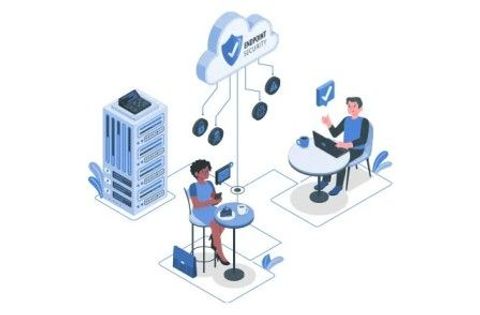
The term "fortress" reflects the defensive mindset: building digital walls, access controls, and monitoring systems that reduce risks and create resilience.
Why Data Fortress matters today
The importance of Data Fortress extends across industries and user groups. Individuals want to secure their personal information, while businesses and governments must protect massive amounts of critical data.
-
Cybersecurity threats – Cyberattacks, including ransomware, phishing, and data theft, are increasing worldwide.
-
Regulatory pressure – Governments have introduced strict compliance frameworks such as GDPR in Europe, HIPAA in the United States, and India’s Digital Personal Data Protection Act (2023).
-
Reputation risks – A single data breach can damage trust, reduce customer confidence, and cause financial losses.
-
Operational continuity – Secure data management ensures that systems remain functional even in cases of attempted attacks.
According to a 2024 IBM Security report, the global average cost of a data breach reached USD 4.88 million, showing why data fortification is now a priority for both large enterprises and small organizations.
Recent updates and trends in data protection
Data Fortress practices are constantly evolving in response to new digital challenges. Over the past year, several updates have shaped the landscape:
-
January 2024 – The U.S. National Institute of Standards and Technology (NIST) updated its Cybersecurity Framework 2.0, placing greater emphasis on supply chain security.
-
March 2024 – India implemented the Digital Personal Data Protection Act (DPDPA), focusing on consent-based data handling and penalties for non-compliance.
-
Mid-2024 – AI-powered cybersecurity tools became more widely used, helping organizations detect abnormal activities faster than traditional monitoring systems.
-
August 2024 – The European Union advanced work on the Cyber Resilience Act, which requires manufacturers of connected devices to meet higher security standards.
These updates show that Data Fortress is not static—it is shaped by global events, new technologies, and evolving risks.
Laws and policies shaping Data Fortress
Data Fortress strategies are closely tied to government rules and international policies. These frameworks often determine how organizations must collect, store, and share information.
Some notable regulations include:
| Region | Law/Policy | Key Focus |
|---|---|---|
| European Union | GDPR (2018) | Data privacy, consent, cross-border transfers |
| United States | HIPAA (Healthcare), CCPA (California), NIST Standards | Healthcare data, consumer privacy, cybersecurity best practices |
| India | Digital Personal Data Protection Act (2023) | Consent-based data use, right to erasure, penalties for misuse |
| Global | ISO/IEC 27001 | Information Security Management certification framework |
Compliance with these laws ensures accountability, protects citizens’ rights, and reduces legal risks for organizations.
Tools and resources for building a Data Fortress
Creating a Data Fortress involves both strategy and technology. Fortunately, there are many tools and resources available to help individuals and organizations strengthen data security.
-
Encryption tools – VeraCrypt, BitLocker, AxCrypt
-
Password management – LastPass, 1Password, KeePass
-
Network security – Firewalls (pfSense, Cisco ASA), intrusion detection (Snort, Suricata)
-
Backup solutions – Acronis, Veeam, Google Drive secure backups
-
Compliance management – OneTrust, TrustArc for GDPR and privacy compliance
-
Learning platforms – Coursera and Udemy courses on cybersecurity basics
-
Government resources –
-
NIST Cybersecurity Framework (U.S.)
-
European Union Agency for Cybersecurity (ENISA) guidelines
-
CERT-In advisories (India)
-
Using a combination of these resources can help individuals, small businesses, and large enterprises maintain a strong defense.
Frequently asked questions
What is the meaning of Data Fortress?
A Data Fortress is a structured approach to digital security that uses policies, tools, and practices to protect sensitive data against unauthorized access, cyberattacks, and data loss.
Is a Data Fortress only for big companies?
No, individuals and small businesses also benefit from building a Data Fortress. Personal financial details, health records, and intellectual property can be equally valuable targets for attackers.
How is Data Fortress different from general cybersecurity?
While cybersecurity covers a broad range of protective measures, Data Fortress specifically emphasizes building a strong, layered defense focused on safeguarding sensitive information and ensuring resilience.
Which industries rely most on Data Fortress practices?
Sectors such as finance, healthcare, e-commerce, government, and education rely heavily on strong data protection due to the large amount of personal and confidential information they manage.
What are the risks of not having a Data Fortress?
Without structured data protection, organizations face increased chances of breaches, financial loss, regulatory fines, and long-term damage to reputation.
Conclusion
The idea of a Data Fortress reflects the growing need to protect digital information in a world where cyber threats are constant and evolving. From regulatory compliance to the use of advanced encryption, building strong defenses is essential for individuals, organizations, and governments.
By understanding the context, staying updated with recent changes, and using available tools and resources, anyone can strengthen their approach to data protection. A well-built Data Fortress does not just secure information—it builds trust, ensures continuity, and provides resilience in the face of digital challenges.