Humidity Sensors Explained: A Complete Guide with Facts, Insights, and Resources
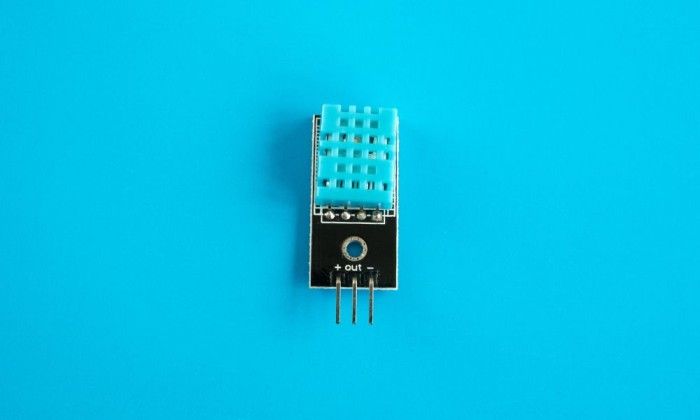
Humidity sensors, also known as hygrometers, are electronic devices designed to measure the amount of moisture present in the air or other gases. They work by detecting changes in electrical capacitance, resistance, or thermal conductivity caused by water vapor. These sensors are commonly used in weather stations, industrial processes, agriculture, healthcare, and consumer electronics such as smartphones and HVAC systems.
The concept of measuring humidity is not new—simple mechanical hygrometers existed centuries ago. However, modern electronic humidity sensors provide highly accurate, real-time measurements that can be integrated into automated systems. They play a key role in improving comfort, safety, and efficiency in many applications.
Importance – Why humidity sensors matter today
Monitoring humidity is vital for both environmental and human needs. Excessive humidity can encourage mold growth, damage sensitive equipment, and reduce comfort, while low humidity can cause health issues like dry skin, respiratory irritation, and static electricity buildup.
Humidity sensors matter for:
-
Healthcare and medicine – Proper humidity levels reduce the spread of airborne infections, protect sensitive medical equipment, and improve patient comfort in hospitals.
-
Agriculture – Farmers rely on humidity data for greenhouse control, irrigation, and crop health. Too much or too little moisture in the air directly affects yields.
-
Manufacturing and electronics – Industries such as semiconductors, pharmaceuticals, and textiles require precise humidity control to avoid defects and maintain quality.
-
Buildings and homes – HVAC systems with humidity sensors improve indoor air quality and energy efficiency.
-
Climate monitoring – Weather stations and satellites use humidity sensors to study climate patterns and predict rainfall.
Without accurate humidity monitoring, industries risk product loss, energy waste, and safety hazards. At a personal level, everyday devices such as air purifiers and thermostats depend on these sensors for better living conditions.
Recent updates and trends in humidity sensing
In the past few years, humidity sensor technology has advanced in accuracy, miniaturization, and connectivity.
-
2023 – Internet of Things (IoT) integration: Humidity sensors are now embedded into smart home systems, industrial IoT devices, and wireless networks for real-time monitoring.
-
2023–2024 – Energy-efficient sensors: Researchers have developed sensors with ultra-low power consumption, making them suitable for wearables and portable devices.
-
Agriculture innovations: Smart farming platforms released in 2024 integrate humidity sensors with AI to predict crop diseases linked to moisture levels.
-
Climate studies: Satellite-based humidity sensors saw upgrades in 2023, improving weather forecasting models.
-
Healthcare adoption: In 2024, several medical device manufacturers began using humidity sensors in respiratory monitoring systems to detect early signs of lung conditions.
These updates highlight a growing reliance on accurate humidity data for decision-making across sectors.
Laws, standards, and policies affecting humidity sensors
Humidity sensors are not just technical devices—they are subject to regulations and standards that ensure safety, accuracy, and environmental compliance.
-
ISO Standards – ISO 9001 and ISO/IEC 17025 require calibration and quality management for sensors used in industrial and laboratory settings.
-
ASHRAE Guidelines – In the United States, the American Society of Heating, Refrigerating and Air-Conditioning Engineers (ASHRAE) provides standards for humidity levels in buildings.
-
EU Regulations – The European Union enforces CE marking for humidity sensors sold in Europe, requiring compliance with safety, electromagnetic compatibility, and environmental standards.
-
Environmental policies – Many countries encourage the use of humidity sensors in smart buildings as part of energy-efficiency programs.
-
Medical regulations – Devices incorporating humidity sensors in healthcare must comply with FDA (U.S.) or MDR (EU) approval.
Such frameworks ensure that sensors are reliable and safe for critical applications, from medical devices to industrial plants.
Tools and resources for humidity sensor applications
For those interested in exploring humidity measurement, several tools and resources are available:
-
Online calculators – Relative humidity calculators help convert between temperature, dew point, and humidity values.
-
Mobile apps – Weather and HVAC apps often provide humidity readings synced from local sensors.
-
Government websites –
-
U.S. National Weather Service (NWS) provides real-time humidity data.
-
India Meteorological Department (IMD) publishes humidity maps for climate monitoring.
-
-
Technical resources –
-
ASHRAE Handbook for HVAC professionals.
-
World Meteorological Organization (WMO) climate data.
-
-
Open-source platforms – Arduino and Raspberry Pi communities share tutorials on integrating humidity sensors into DIY projects.
These resources make it easier for both professionals and hobbyists to understand and apply humidity monitoring in different contexts.
Common types of humidity sensors
Humidity sensors come in different forms, each with unique working principles:
| Type of Sensor | Working Principle | Common Uses |
|---|---|---|
| Capacitive | Detects changes in capacitance due to humidity | HVAC, weather stations |
| Resistive | Measures resistance change caused by moisture | Industrial processes |
| Thermal Conductivity | Compares thermal conductivity of dry vs. humid air | Harsh environments, industrial drying |
| Optical | Uses light scattering or absorption to measure water vapor | Research, specialized applications |
FAQs about humidity sensors
What is the difference between relative humidity and absolute humidity?
Relative humidity is the percentage of moisture in the air compared to the maximum amount it can hold at a given temperature. Absolute humidity refers to the actual mass of water vapor per unit volume of air.
Can humidity sensors work outdoors?
Yes, but they must be designed with protective enclosures to handle dust, rain, and temperature variations. Outdoor weather stations use specialized humidity sensors for durability.
How accurate are humidity sensors?
Most modern sensors offer accuracy within ±2% to ±5% relative humidity, depending on the design. High-precision laboratory models provide even greater accuracy.
Do smartphones have humidity sensors?
Some smartphones and wearables include built-in humidity sensors, but many rely on external data sources such as weather APIs.
How often should humidity sensors be calibrated?
In critical applications such as laboratories or manufacturing, sensors should be calibrated every 6–12 months. Consumer devices may not require frequent calibration.
Conclusion
Humidity sensors are essential devices that bridge the gap between environmental conditions and human needs. From ensuring indoor comfort to supporting agriculture, manufacturing, and healthcare, they play a role in nearly every sector.
With advances in IoT, miniaturization, and AI integration, humidity sensors are becoming smarter and more accessible. Supported by international standards and government policies, they continue to expand their applications in both personal and industrial contexts.
Understanding how humidity sensors work, why they matter, and where they are regulated helps individuals and organizations make better decisions about their use. As technology evolves, these sensors will remain central to monitoring air quality, improving energy efficiency, and supporting health and safety worldwide.