Modern Prefab Homes: A Complete Guide with Insights and Resources
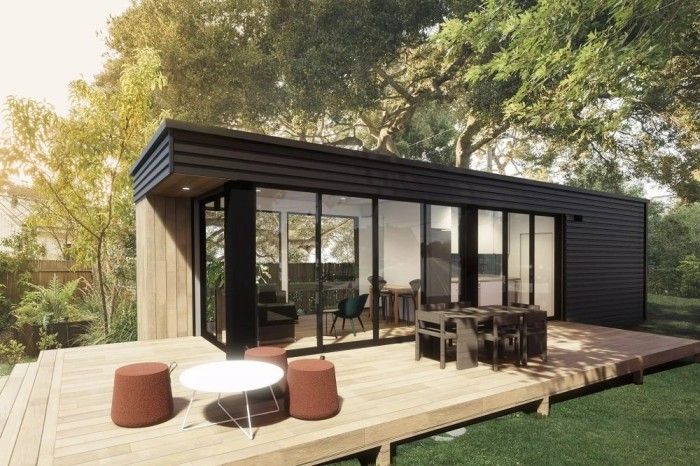
Modern prefabricated (prefab) homes are buildings manufactured off-site in controlled factory environments, then transported and assembled on-site. They include modular units, panelized systems, and multi-dimensional modules constructed to standard codes. This approach arose to improve quality control, reduce waste, and speed up construction compared to traditional on-site building methods.
Factories enable precision, consistent standards, and streamlined workflows—offering homes that range from compact tiny dwellings to full-scale family residences. Prefab methods emerged to meet demand for affordable, efficient, and customizable housing options in the modern era.
Importance – Why Prefab Homes Matter Today
Prefab homes matter because they address pressing global challenges:
-
Faster delivery — Construction timelines can be cut by up to 50%, as site preparation and building fabrication happen in parallel.
-
Cost efficiency — Factory processes reduce waste, lower labor costs, and lead to significant savings compared to traditional stick-built homes.
-
Sustainability — Prefab production generates less material waste, improves energy performance, and supports eco-friendly materials and design.
-
Customization & quality — Homes can be personalized with high-quality finishes, smart layouts, and efficient systems.
Who benefits: prospective homeowners seeking affordability and speed; policymakers aiming to tackle housing shortages; rural or remote communities needing rapid infrastructure; and environmentally conscious individuals seeking sustainable living.
Recent Updates – Trends and Developments in the Past Year
Design & Materials Trends (2025):
-
Bold interiors in compact designs—textured wallpapers, statement lighting, multifunctional furniture.
-
Kitchens and bathrooms feature sleek surfaces, spa-like features, quartz counters, and smart fixtures.
-
Sustainable materials like recycled steel, cross-laminated timber, and non-toxic finishes are on the rise.
-
Prefab kits with passive-house performance are gaining popularity—faster builds with energy-smart efficiency.
Technology and Community:
-
Smart manufacturing: 3D printing of components, robotic assembly lines, BIM integration, and drones for site work.
-
Prefab communities with shared green spaces and custom aesthetics are emerging.
India-specific updates:
-
Prefab homes can be 20–50% cheaper than traditional builds; some firms deliver within 45 days of foundation completion.
-
Government incentives—tax breaks, subsidies, and relaxed regulations—are driving prefab use, especially in affordable housing, schools, and rural infrastructure.
Globally / Australia:
-
Australia’s Commonwealth Bank now offers mortgages for prefab homes with progress payments up to 80 % before installation, streamlining financing and reducing upfront costs.
-
The Australian government has earmarked millions for prefab and modular home initiatives, plus a voluntary certification scheme to speed approval processes.
-
However, concerns in New South Wales about fire safety, moisture, and building code compliance have led voices to caution against rushing prefab adoption without stronger regulation.
Laws or Policies – Regulation and Support
India:
-
Prefab construction follows the same land use, map approval, and structural permissions as traditional buildings—no separate laws for container or prefab homes; local urban authorities enforce rules.
-
The National Building Code of India (2016) includes guidance on prefabricated concrete building design and construction.
-
The Bureau of Indian Standards includes rules for prefabricated concrete elements, offering planning, transport, and erection guidance.
-
National programs promote prefab for affordable housing and infrastructure, offering incentives and relaxed norms.
UK / Modern Methods of Construction (MMC):
-
MMC framework defines modular systems, panels, pods, etc., aiming to standardize terms and encourage adoption.
-
Government reviews followed failures of modular homebuilders in recent years; a coherent housing strategy is planned.
Australia:
-
NSW is preparing legislation to regulate prefabrication; mortgages and norms are evolving.
-
Federal programs include funding allocations and streamlined approvals to boost modular housing.
Tools and Resources
Here’s a compact table with helpful resources for navigating prefab home planning, design, policy, and finance:
| Resource Type | Examples (general guidance) |
|---|---|
| Standards & Codes | National Building Code of India, BIS guidelines for prefab concrete elements |
| Government Programs | Affordable housing initiatives, tax incentives, subsidies for prefab buildings |
| Design Trend Guidance | Architecture and interior design firms specializing in modular construction |
| Financing & Mortgages | Specialized bank loans for modular housing (e.g., in Australia and parts of Europe) |
| Prefab Industry Insight | Market reports and housing industry research agencies |
| Permitting Guidance | Local Urban Development Authorities for regional approval rules |
FAQs
What exactly qualifies as a prefab home?
Prefab homes are built off-site in sections—modules or panels—then delivered and assembled at the site. They meet local building codes like traditional homes.
Are prefab homes cheaper?
Generally, yes. They can be 20–50 % more affordable, with less waste, labor, and time required.
How long does it take to build a prefab home?
Typically, construction—from factory to site assembly—can take 10–12 weeks, compared to many months or over a year for traditional builds.
Can you get loans for prefab homes in India?
Financing remains a hurdle. Banks often hesitate due to lack of regulatory clarity; however, government incentives and growing industry acceptance are making access easier over time.
Are prefab homes sustainable?
Yes—they produce less waste, use eco-friendly materials, and can integrate energy-efficient systems like insulated panels and solar-ready designs.
Conclusion
Modern prefab homes are transforming how we build and live—offering speed, cost savings, sustainability, and customization. In 2025, design innovations and smart materials are advancing the field, particularly in India, where delivery can be faster and cheaper, and government support is growing. While regulations and financing vary by country, emerging policies and frameworks are improving the landscape. Using available standards, tools, and industry insights, anyone exploring prefab homes can approach the subject with confidence and clarity.
Whether you're a homeowner, developer, or policymaker, understanding prefab housing equips you to make smarter, greener, and more efficient building choi