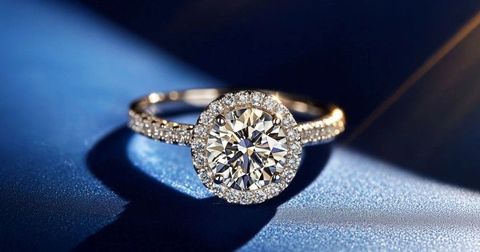
The Ultimate Diamond Ring Buying Guide: Everything You Need to Know Before You Shop
A diamond ring buying guide serves as a resource to help consumers navigate the complex world of diamonds and engagement or fashion rings. It explains key concepts—like cut, clarity, carat weight, and color—often referred to as the “Four Cs.” This kind of guide exists because purchasing a diamond ring can be expensive and confusing; consumers need accurate information to make smart choices. It clarifies terminology, compares options, and helps buyers feel confident about their decision.
Why buying a diamond ring matters today, who it affects, and the problems it helps solve
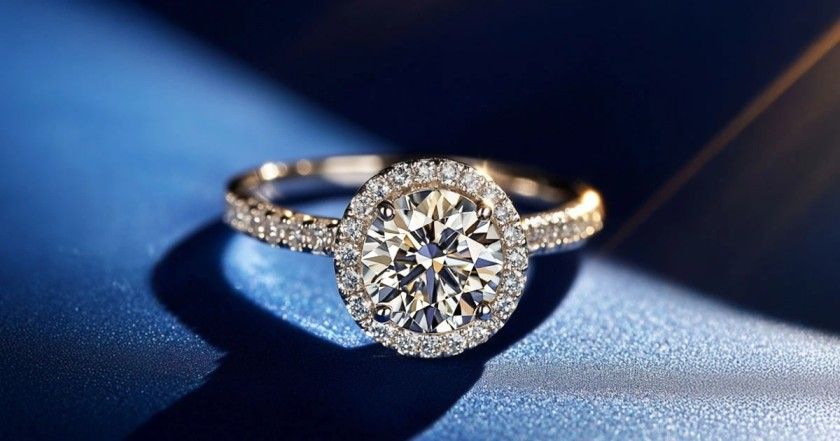
Diamond rings remain symbols of commitment, status, and style. Many shoppers—those planning engagements, celebrating milestones, or treating themselves—face significant financial decisions. This guide helps by:
-
Reducing confusion around diamond quality and pricing
-
Preventing overspending or falling for misleading terms
-
Empowering buyers, whether first-timers or seasoned shoppers
-
Ensuring consumers understand value, ethics, and certification
Especially relevant in today’s market where online purchases and lab-grown diamonds are gaining traction, this guide helps both in-store and online buyers make informed choices.
Recent updates: trends and changes in the last year
Recent developments in the diamond ring space include:
-
Greater popularity of lab-grown diamonds: Prices have continued to drop, making lab-grown stones more attractive. Many buyers now compare them directly with mined diamonds for price and ethical reasons.
-
Shift toward minimalist and personalized styles: Smaller center stones paired with unique settings or mixed metals have become trending preferences in 2024 and 2025.
-
Online marketplaces have grown, offering virtual try-ons and 3D previews, especially through smartphone apps launched in early 2025.
-
Increased demand for ethical sourcing transparency, with more retailers offering blockchain tracking or provenance certification.
These trends reflect buyers’ evolving preferences for price transparency, ethical standards, and personalization.
How laws, regulations, and programs affect diamond ring buying
Buying a diamond ring involves understanding several laws, regulations, and certifications:
-
The Kimberley Process Certification Scheme aims to prevent “conflict diamonds” from entering the market. Reputable sellers must supply certificates affirming diamonds are from conflict-free sources.
-
Consumer protection laws require clear disclosure of price, weight, and features. In many countries—including the U.S., UK, India—mandatory disclosure of treatments (e.g., clarity enhancement) is required.
-
Import taxes and duties can significantly affect price when buying internationally. For example, in India, imported diamonds may incur customs duty; buyers should check government updates prior to purchase.
-
Some regions (e.g., EU, Australia) require labeling of synthetic versus natural diamonds at point of sale.
-
Warranty and return policy laws: Many jurisdictions mandate minimum return periods, especially for online purchases. In addition, lab-grown diamonds may be subject to different labelling standards under consumer labeling regulations.
Tools, apps, calculators, websites, templates, and services that help with diamond ring buying
Here are some helpful resources for informed decision-making:
-
Diamond Price Calculators – Tools like the “Rapaport Diamond Price Calculator” or online calculators let you estimate fair market value based on the Four Cs.
-
Cut-Grading Visualizers – Websites and apps that let you compare diamond cut proportions side by side or view triple-certified diamonds (GIA, AGS).
-
Ethical Sourcing Services – Platforms like Brilliant Earth or smaller ethical jewelers provide provenance reporting or blockchain tracking.
-
Virtual Try-On Apps – Retailer-provided smartphone apps or browser tools that allow you to “try on” ring styles in real time.
-
Printable Comparison Template – A downloadable spreadsheet or PDF where you can log attributes (carat, cut, etc.), prices, certifications, and retailer notes side by side.
-
Independent Lab Reports – GIA (Gemological Institute of America), AGS, IGI offer searchable databases by report number so you can confirm authenticity.
| Resource Type | Examples | Purpose |
|---|---|---|
| Price Estimator | Rapaport calculator, online diamond calculators | Judge whether price is fair |
| Visual Tools | Cut graders, 3D previews | Compare cut and visual appearance |
| Ethical Transparency | Blockchain trackers, provenance reporting | Verify diamond source and ethics |
| Shopping Aids | Virtual try-on, filter tools | Narrow down styles quickly |
| Documentation Templates | Downloadable comparison sheets | Organize and compare options by specs |
| Lab Certification Search | GIA, AGS online databases | Validate lab report authenticity |
Frequently Asked Questions
How do the Four Cs (cut, color, clarity, carat) affect price and appearance?
Cut has the greatest visual impact—it affects brightness and sparkle. Color refers to how colorless a diamond is (graded D to Z); clarity refers to visible inclusions; carat refers to weight. A good balance, such as an excellent cut with moderate clarity, often delivers the best value.
Are lab-grown diamonds as durable as mined diamonds?
Yes, lab-grown diamonds have the same chemical and physical properties as natural ones, including hardness (Mohs scale 10). Durability and wear resistance are equivalent.
What certification should I look for?
Reputable certifications include GIA, AGS, and sometimes IGI. The lab report should detail carat, cut, color, clarity, and dimensions. Always ask for a report number and verify it online.
Can I return or get a refund on a diamond ring I buy online?
Policies vary. Many online jewelers offer a return window (e.g., 10–30 days). Ensure you understand if refunds are full, partial, or store credit. Check who bears return shipping costs. Confirm the ring must be in original condition—and if re-inspection or report reissuance will be required.
How can I verify a diamond’s origin or ethical sourcing?
Ask for documentation under the Kimberley Process. Some sellers offer additional tracking or provenance via blockchain or certificates from ethical mining partners. For lab-grown diamonds, labeling should clearly state “laboratory-grown.”
Final thoughts
Informed diamond ring buying is about balancing quality, budget, and ethics. Understanding the Four Cs, staying updated on modern trends like lab-grown options and ethical certification, and using the right tools all help you make confident decisions. Whether buying in person or online, clear disclosure, trusted lab reports, and fair return policies ensure peace of mind. With this guide, you’ll be equipped to choose a diamond that matches your values, style, and budget.