Understanding Industrial Blowers: Insights, Facts, and Learning Tips
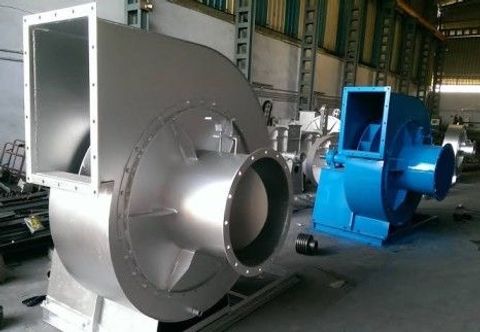
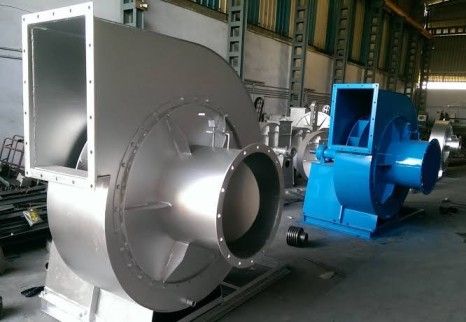
Industrial blowers are machines designed to move air or gas in various industrial and commercial settings. Unlike small, household fans, these devices are built for higher airflow, pressure, and continuous operation.
They exist to solve needs such as:
-
Ventilation in large spaces (factories, tunnels, mines)
-
Air or gas conveyance in production lines
-
Temperature or humidity control in HVAC systems
-
Dust or fume extraction to improve safety and air quality
Industrial blowers help maintain safe, efficient, and controlled environments where standard fans cannot meet performance or durability demands.
Why Industrial Blowers Matter Today
Industrial blowers are essential across sectors—manufacturing, mining, construction, energy, HVAC. They impact:
-
Worker safety by removing harmful dust, gases, or excessive heat
-
Production efficiency by ensuring proper air circulation, drying, or cooling
-
Environmental compliance via emission control and filtration
-
Energy consumption when high-efficiency blowers reduce operational costs
In industries ranging from pharmaceuticals to power plants, selecting the right blower contributes to productivity, safety, and sustainability.
What’s New in the Past Year
Over the past year, several noteworthy trends and changes have emerged:
-
Efficiency improvements: Manufacturers launched new models with upgraded impeller designs and smarter motor controls, improving energy efficiency by 10–15% as of mid-2025.
-
Digital integration: More blowers now feature IoT-based monitoring—allowing remote diagnostics, predictive maintenance, and real-time performance tracking.
-
Cleaner air focus: Enhanced blower designs now support finer filtration systems to meet tighter industrial air emission standards.
-
Hybrid systems growth: Combos of blowers with variable frequency drives (VFDs) help adapt airflow to changing process demands, reducing power use dynamically.
Specific product names aren’t included, but these trends reflect the industry's direction toward smarter, greener, more efficient equipment.
How Laws, Policies, and Standards Apply
Industrial blowers are subject to several regulatory frameworks depending on location and application. In many countries:
-
Energy efficiency standards: Government programs may set minimum performance levels (e.g., motor efficiency or system-level energy use). Incentives such as rebates or certifications (e.g., energy codes) encourage adoption of high-efficiency blowers.
-
Emissions and workplace safety rules: Air movement tied to dust/fume control must meet local environmental or occupational health standards. For example, permitted particulate emission limits or workplace ventilation rates may be codified.
-
Electrical and equipment safety regulations: Blowers must comply with electrical safety codes (e.g., IEC, UL, CE marking) and may require hazardous-location certifications (e.g., ATEX) for explosive atmospheres.
Check with your local regulatory authority or energy office for region-specific programs, rebates, and required standards.
Helpful Tools and Resources for Industrial Blower Applications
Here’s a concise list of practical tools and resources to assist in blower selection, analysis, maintenance, and compliance:
Online calculators and sizing tools
-
Performance and selection calculators for required airflow, static pressure, and power.
-
Fan affinity laws calculators (to predict performance when scaling size or speed).
Efficiency and energy-use tools
-
ROI/energy payback calculators to estimate savings from upgraded blower systems.
-
VFD optimization tools to size and schedule speed control for duty cycles.
Regulatory and standards resources
-
National energy efficiency program websites for rebate information.
-
OSHA or environmental agency portals outlining ventilation and emission requirements.
Maintenance and monitoring platforms
-
Web or app-based IoT dashboards supporting real-time system health monitoring.
-
Maintenance scheduling templates (checklists for filter changes, belt alignment, vibration checks, etc.).
Technical guides and learning sites
-
Manufacturer or industrial engineering websites offering whitepapers on blower laws, system integration, and fan curve interpretation.
-
Industry forums or e-learning platforms for hands-on tutorials about blower system troubleshooting.
Example Comparison Table
| Tool Category | Purpose | Example Use Case |
|---|---|---|
| Sizing calculator | Determine appropriate blower specifications | Matching blower to required airflow & pressure |
| Energy ROI calculator | Analyze cost savings and payback period | Justifying investment in high-efficiency blower |
| Maintenance checklist | Standardize upkeep tasks | Scheduling filter replacements, vibration checks |
| Standards resource site | Find applicable codes and certifications | Verifying compliance with efficiency or safety |
| IoT monitoring dashboard | Monitor performance and predict issues | Notifying when airflow drops or vibration spikes |
Frequently Asked Questions
What’s the difference between industrial blowers and fans?
Industrial blowers are engineered for higher pressure and airflow capacity, often with robust construction and continuous-duty motors. Fans are typically for lower-pressure, general circulation.
How do I choose the right blower type?
Consider static pressure requirements, airflow volume, application environment (dusty, hazardous), energy constraints, and compliance needs. Use a blower selection calculator and consult manufacturer data.
Why does energy efficiency matter in industrial blowers?
Blowers often run for long hours and consume significant power. Small improvements in efficiency can yield substantial energy and cost savings over time, plus potentially qualify for energy rebates or certifications.
What maintenance does an industrial blower need?
Regular tasks include:
-
Checking and cleaning filters and impellers
-
Inspecting bearings and belts
-
Monitoring vibration and noise levels
-
Ensuring latest firmware or diagnostic software updates if using smart systems
Are there available grants or rebates to upgrade to efficient blowers?
In many regions, energy efficiency programs offer incentives—such as rebates, tax credits, or grants—for upgrading industrial motors and fans to more efficient models. Check your local energy efficiency authority or utilities.
In Summary
Industrial blowers are purpose-built machines that move air or gas under demanding conditions. They play a vital role in safety, environmental control, and industrial efficiency. Recent advances in efficiency, digital integration, and hybrid controls are shaping the current landscape. Regulatory standards guide performance and safety, and numerous online tools—from selection calculators to energy ROI estimators—aid professionals and facilities in making informed decisions. Understanding common questions and how to maintain these systems ensures reliable and sustainable operation.