XRF Explained: Learn Essential Information, Explore Insights, and Useful Resources
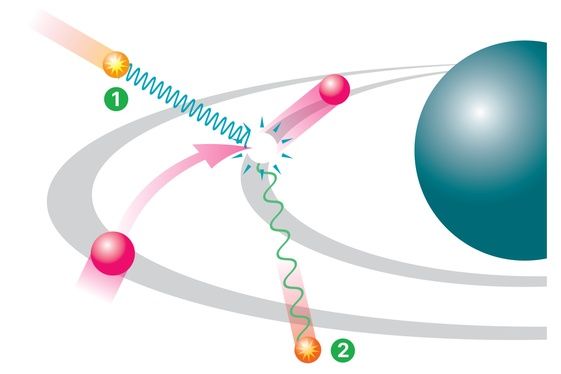
X-Ray Fluorescence (XRF) is a scientific method for identifying and measuring the elemental composition of materials. By directing X-rays at an object, XRF instruments detect the secondary X-rays emitted, which reveal the types and amounts of elements present. Originally developed for mineral analysis and archaeology, XRF now serves in fields such as manufacturing, environmental analysis, art conservation, and consumer product testing.
XRF exists because people need a non-destructive, accurate, and often portable way to determine what something is made of—whether verifying metal alloys, testing soil for contaminants, or authenticating artwork, XRF provides that capability.
Why XRF Matters Today
As industries and regulations demand safety, transparency, and environmental responsibility, XRF plays a vital role for:
-
Manufacturers verifying material quality (e.g., metal purity, compliance with alloy standards).
-
Environmental agencies and remediators testing soil and water for heavy metals like lead or arsenic.
-
Consumer safety experts checking toys, jewelry, or electronics for hazardous substances.
-
Museums and conservators examining provenance and degradation of artworks without taking samples.
XRF helps solve problems like contamination, counterfeit materials, regulatory non-compliance, and damage to heritage items—all by offering fast, accurate data with minimal intrusion.
What’s New in XRF (Recent Developments)
Over the past year (late 2024 through mid-2025), several trends and advances have shaped XRF:
| Update | Description |
|---|---|
| Miniaturization | Portable, battery-operated XRF units have become lighter, enabling fieldwork and on-site testing with higher convenience. |
| Software Advances | New AI-powered algorithms help interpret spectra more accurately, even in complex mixtures. |
| Regulatory Emphasis | Stricter global limits on heavy metals (e.g., EU’s REACH updates, U.S. EPA guidelines) have increased demand for XRF testing in consumer goods. |
| Collaboration | Research consortiums between universities and manufacturers are refining calibration standards for better inter-instrument consistency. |
For example, in November 2024, a consortium published improved calibration protocols for portable XRF devices to harmonize results across brands—helping ensure consistency in environmental and manufacturing monitoring.
Regulatory Framework and Policies
In many countries, XRF testing is shaped by laws and standards that define allowable concentrations of hazardous elements.
In the United States, the Environmental Protection Agency (EPA) sets permissible limits for lead, arsenic, and other contaminants in soil and consumer products under programs like TSCA and RCRA. XRF is approved as a screening tool for lead in painted surfaces under the Renovation, Repair and Painting (RRP) Rule.
In the European Union, REACH regulations limit heavy metal content in toys, electronics, and jewelry. XRF helps manufacturers verify compliance before products reach the market.
Other nations adopt local standards—such as India’s Bureau of Indian Standards (BIS) regulations for consumer goods—that may require material testing. XRF is often referenced in technical standards for non-destructive elemental analysis.
Tools and Resources for XRF Users
Here’s a range of useful tools and resources for professionals, students, or enthusiasts:
-
Portable XRF instruments from manufacturers like Bruker, Thermo Fisher, and Olympus (spec sheets and user guides online).
-
Open-source spectral libraries for element identification, found via academic research portals like GitHub or Zenodo.
-
Calibration kits and certified reference materials (CRMs) for calibrating and validating XRF devices—available from NIST (U.S.) or BAM (Germany).
-
Data analysis software—including vendor-provided tools and third-party packages—for deconvoluting spectrum peaks and quantifying element concentrations.
-
Training courses and webinars—offered by universities, technical associations (e.g., ASTM, ISO), and instrument vendors—to build user-level competence.
-
Regulatory guides and fact sheets—such as EPA’s “XRF Field Operations Guide” or EU safety dossiers for consumer goods—which explain how XRF fits into compliance workflows.
-
Templates and calculators, like risk-assessment spreadsheets for soil contamination based on XRF data (often available through environmental agency portals).
Frequently Asked Questions
What materials can XRF test?
XRF works with solids like metals, ceramics, glass, plastics, paintings, and soil samples. Some plastics and organic compounds are harder to measure due to low atomic number elements.
How accurate is XRF?
Accuracy depends on the instrument, calibration, and sample type. With proper calibration using certified reference materials, XRF accuracy can range from ±1–5 % for major elements; trace elements may vary more.
Is XRF safe to use?
Yes—modern XRF devices are designed with safety safeguards like radiation shielding and interlocked shutters. Users need basic training and should follow proper safety guidelines (e.g., wearing dosimeters or using stand-off brackets for field use).
How does XRF compare to other testing methods?
Compared to destructive methods like ICP-MS (inductively coupled plasma mass spectrometry), XRF is non-destructive, quicker, and portable, though less sensitive for ultra-trace elements and light elements such as lithium or beryllium.
How much does an XRF test cost?
Cost varies widely. For a single in-house test using a portable device, overhead might be minimal if you own the instrument. Third-party lab fees for detailed analysis can range from tens to hundreds of dollars per sample depending on the parameters tested.
Bringing It All Together
X-Ray Fluorescence offers a powerful, non-destructive way to understand the chemical composition of materials across industries—from ensuring product safety to preserving cultural heritage.
Advances in portability, software, and global demand for regulatory compliance are making XRF more accessible and vital than ever. Supported by international standards and strengthened by recent calibration improvements, XRF continues to support faster, safer, and more precise elemental analysis.
Whether you’re a manufacturer needing quality control, an environmental professional mapping contamination, or a conservator studying artifacts, XRF delivers clear, actionable insights—safely, efficiently, and reliably.